How a Fall Detection Device Can Support Ageing in Place for New Zealand Seniors
When my mother turned 78, she started taking small tumbles that she would brush off as clumsiness. I would notice the bruises, the way she favoured one hip, the slight hesitation before she stepped off a kerb. It was not until she had a bad fall in the garden, landing hard on the concrete path, that we realised how quickly a simple slip can become a serious crisis. That afternoon, lying in the sun for nearly an hour before a neighbour heard her call out, changed how our entire family thought about senior safety.
For older New Zealanders who want to keep living in their own homes, the risk of falling is one of the biggest worries. Statistics from the Health and Safety Authority show that falls are the leading cause of injury-related hospital admissions for people over 65. And it is not just the injury itself that causes lasting harm. The fear of falling again can make someone withdraw from daily activities, lose confidence, and become isolated. That is why a reliable fall detection device can be so valuable. It does not prevent every stumble, but it makes sure that help arrives quickly when a fall does happen.
What Makes a Good Fall Detection Device?
Not all personal emergency response systems are the same. Some are basic pendant alarms that require the user to press a button. Others use automatic fall detection technology that can sense a fall even if the wearer is unconscious or unable to reach the button. The most effective devices combine both approaches. They give the wearer a way to call for help manually, and they also activate an alert automatically when a fall is detected.
When I was researching options for my mother, I looked closely at how automatic fall detection works. Most modern devices use a combination of accelerometers, gyroscopes, and sometimes barometric pressure sensors to measure sudden changes in movement and orientation. The device learns the wearer's normal motion patterns over time. A fall triggers a specific signature: a rapid downward acceleration followed by an impact and then a period of stillness. Good fall detection technology can distinguish between a genuine fall and everyday actions like bending over to pick something up, sitting down quickly, or dropping the device itself.
One thing that surprised me was how important the water resistance rating is. My mother loves gardening and often forgets to take off her pendant alarm before watering the plants. A waterproof alarm with at least an IP67 rating can survive being submerged in a bucket of water or worn in the shower. Since many falls happen in the bathroom, a device that is not waterproof is a missed opportunity for safety.

Key Features to Consider
- Automatic fall detection that works without needing to press a button
- Waterproof design so it can be worn in the shower or rain
- GPS tracking so the wearer can be located outside the home
- Two-way calling so the user can speak directly with a family member or monitoring centre
- Long battery life and a comfortable, lightweight form factor
These features are not just nice-to-haves. They determine whether a device will actually be worn consistently. A pendant alarm that is uncomfortable, requires frequent charging, or cannot handle a splash of water will end up in a drawer. And a device in a drawer is no help at all.
How a Fall Detection Device Works in Practice
Let me walk through a typical scenario. An older person living alone in a house in Christchurch, wearing a personal emergency response system on a lanyard or as a pendant alarm. They are making dinner and slip on a wet spot on the kitchen floor. The fall detection device senses the sudden impact and lack of movement afterwards. Within seconds, an alert is sent to a family monitoring app on their daughter's phone, and the device itself begins a two-way calling sequence. The wearer hears the device ask if they need help. If they do not respond, the system escalates to emergency response, dispatching a caregiver or an ambulance directly to the GPS location.
What I find reassuring about this setup is that it does not require the person to remember to press a button. Many older adults, especially after a fall, can be disoriented or in pain. They might not be able to reach the button or even think clearly enough to press it. Automatic fall detection removes that cognitive burden. It also reduces the worry for family members who cannot be there all the time.
In New Zealand, where some suburbs are rural and emergency services can take longer to arrive, having GPS tracking built into the device is a major advantage. If someone falls while walking the dog in a bush reserve or while gardening in a large section, the exact location is transmitted immediately. That speeds up the trip to hospital and can be the difference between a hip fracture being treated within the golden hour or a longer wait with complications.
The Link Between Fall Detection and Ageing in Place
Ageing in place, the ability to live independently in one's own home for as long as possible, depends on managing risk. The biggest risk is an unrecovered fall. A study by the World Health Organization found that prolonged time on the floor after a fall is associated with more severe injuries, longer hospital stays, and a higher likelihood of needing long-term residential care. A fall detection device directly addresses that risk by reducing the amount of time someone lies helpless.
But there is a softer side to this technology as well. Knowing that a device is watching over them gives many seniors the confidence to keep doing the activities they enjoy. My mother still gardens, still walks to the local shops, and still visits her friends. She wears her pendant alarm every day, and it has become as routine as putting on her watch. The device gives her freedom, not restriction. And it gives me peace of mind, which is something no medicine or check-in call can fully replace.

Familyr, a New Zealand company that provides personal medical alarms for seniors, understands this balance well. Their approach focuses on keeping the family involved in the monitoring process, which is a model that suits many Kiwi families. Instead of a distant call centre, the alert goes to nominated family members who can then decide what action to take. This family monitoring system respects the autonomy of the older person while still ensuring that help is always a call away. And because there are no monthly fees, the cost does not become a barrier to consistent use.
What to Look for in a Provider
- Local support and service in New Zealand, not an overseas call centre
- Transparent pricing with no hidden monthly fees
- Reliable network coverage, especially for GPS tracking in your area
- Devices that are simple to set up and use without a smartphone
- Good battery life and a comfortable wearable device
The wearable device itself should be something the person will actually want to wear. Some people prefer a pendant alarm that hangs around the neck, while others like a wristband that looks more like a fitness tracker. The right choice depends on the individual's lifestyle and habits. A pendant alarm is easy to press in an emergency, but a wristband is harder to forget to put on. Some devices now come as a belt clip or even a small unit that can be carried in a pocket. The best advice is to try a few different form factors before committing.
Common Misconceptions About Fall Detection Devices
One myth I often hear is that these devices are only for very frail people or those already in care homes. That is not true. In fact, the most effective time to start using a fall detection device is before a serious fall happens. By then, it is already too late to prevent the injury and the loss of confidence. A personal emergency response system is a proactive tool, not a reactive one.
Another misconception is that the technology is complicated and requires a lot of setup. The best modern medical alert systems are designed for simplicity. The user charges the device, wears it, and that is about it. The family member or caregiver sets up the monitoring preferences and emergency contacts through a simple app or website. There is no need for a landline, a smartphone, or any technical skill. The device connects over the cellular network, which works almost everywhere in New Zealand.
People also worry about false alarms. It is true that early automatic fall detection could sometimes mistake a sudden movement for a fall. But the technology has improved a lot. Current devices use machine learning algorithms that adapt to the wearer's specific patterns. They learn how you walk, how you sit, how you move in general. A false alarm now is rare, and most systems include a cancel feature so the user can stop the alert if it was triggered accidentally.
Final Thoughts on Choosing a Fall Detection Device
Selecting a fall detection device is a personal decision that should involve the older person and their family or caregiver. Talk about what they are comfortable wearing, what features matter most, and what kind of monitoring they prefer. Some people want the security of 24/7 monitoring by a professional centre, while others like the idea of family monitoring where their children or grandchildren receive the alerts. Both models have merits, and the best choice depends on the family's dynamics and the older person's preferences.
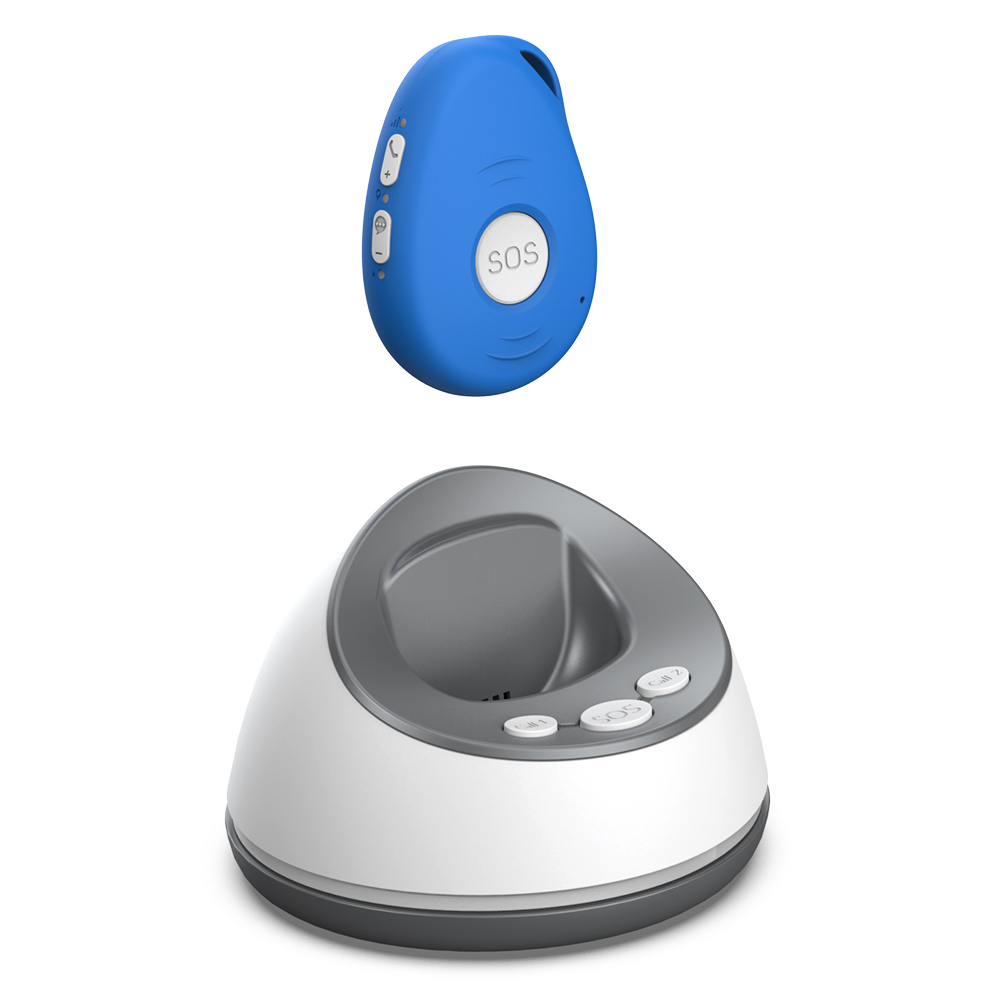
For my family, the decision came down to a device with automatic fall detection, GPS tracking, and two-way calling, from a provider based in New Zealand that offered no monthly fees. We wanted something that would not become a financial burden over time. The fall detection device we chose has been used twice in genuine emergencies: once when my mother tripped on the garden hose, and once when she had a dizzy spell in the kitchen and collapsed. Both times, the alert reached me within seconds, and I was able to get help to her quickly. She recovered from both incidents without lasting harm, and she still lives in her own home.
That is the real value of a good fall detection device. It is not just a piece of technology. It is a way to preserve independence, reduce worry, and keep families connected. For any New Zealand family supporting an older loved one who wants to age in place, it is worth serious consideration.